
Yogyakarta Palace & Tamansari
Yogyakarta Palace / Keraton Yogyakarta
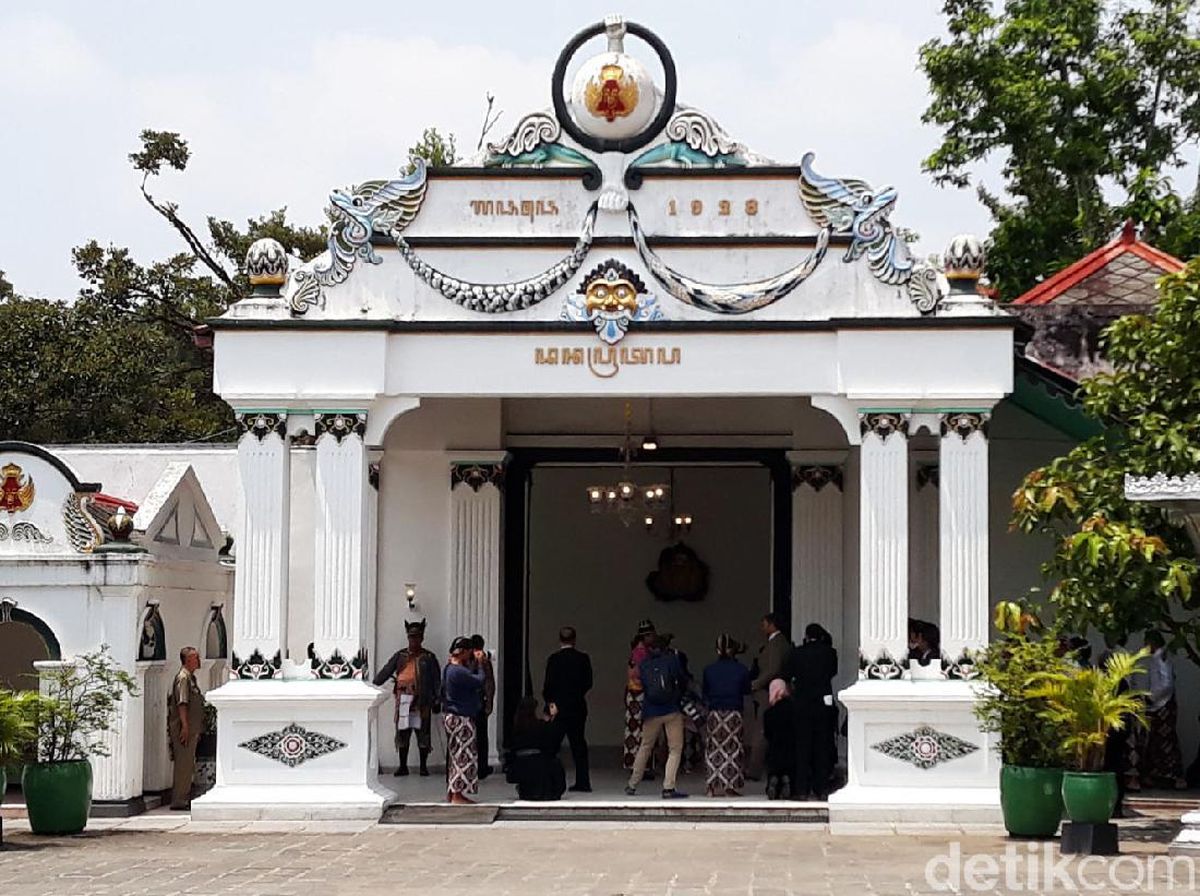
The Kraton (also spelled keraton or karaton) or the Palace of Yogyakarta, is a grand complex that was meticulously planned to reflect the Javanese cosmos.
This elegant complex of pavilions was constructed based on ancient beliefs, of the connection between the God, human and the natural realms. Each feature holds a special symbolic meaning related to the Javanese worldview, who consider the importance of Mount Merapi and The Indian Ocean.
The Kraton was built in the center, facing directly north towards the majestic Mount Merapi. Its south side was built facing the Indian Ocean, believed to be the abode of Kanjeng Ratu Loro Kidul, the Queen of the South Seas and the mystical consort of the Sultan.
This splendid example of traditional Javanese architecture has no equal. The basic and original layout of the main building of The Kraton began its construction during the reign of Sultan Hamengku Buwono I, in 1755 – 1756.
The Kraton, Reflection of Javanese Cosmos
Other surrounding pavilions were then gradually expanded by the successor of the throne. The official symbol of the palace is named Praja Cihna. It depicts important elements that radiate a philosophical meaning. The Javanese lettering in the center is “ha” and “ba”, the acronym of Hamengku Buwana. The red is a symbol of courage and vigilance to value the truth, while the gold is a symbol of majestic splendor.
A green square called Alun-alun Lor or the north square is set to be the front side of the palace, with large banyan trees guarding its center, named Kyai Dewandaru and Kyai Wijayandaru. Alun-alun Kidul or the south square is located at the other side of the palace’s north-south invisible horizontal axis.
This palace was designed to be more than just a royal residence. It was built to be a focal point of the Sultan’s entire kingdom. When a sultan passed away, the cortege will leave by the southern gate and head its way to the royal cemetery located in Imogiri.
Today, the Kraton is a piece of living history and tradition. It continues to be used, both as a home of the Sultan as well as for other important ceremonial and cultural functions of the Yogyakarta court.
Sitihinggil is the highest level of the Kraton area, where the formal ceremonies like the coronation are held. There are two Sitihinggil pavilions in the palace area.
Sitihinggil Lor is located on the north side and Sitihinggil Kidul is on the south side, that later was repurpose from the location of the army’s rehearsal point, to become a monument dedicated to mark 200 years of the Yogyakarta sultanate named Gedung Sasana Hinggil Dwi Abad. On weekends, you can enjoy art performances such as music, dance and the special wayang kulit or leather puppet show.
Near this building is the Alun-alun Kidul, a destination renowned for the festive evening ambiance and the mysterious Masangin tradition. Said to be an acronym of “masuk diantara beringin” or literally “entering between the beringins”, this is definitely one of the signatures local experience to try.
In this test, you will only need to walk between the two sacred beringin or banyan trees, and if you succeed, then you are considered to have a pure heart and will have any of your wishes granted. The only twist is, you have to be blindfolded to do it!
The Kraton, Reflection of Javanese Cosmos
After a few tries, you can just linger in the open square and enjoy all the fun atmosphere surrounding this famous spot.
In The Kraton complex, there are 7 specific zoning that consists of several pavilions, each with designated purpose and is separated by gateways. The sultan’s residence resides at the center Kedhaton area, named Kraton Kilen.
One of the interesting highlights inside The Kraton is The Hamengku Buwono IX museum. It holds a collection of memorabilia and significant items that belong to the late father of the currently reigning Sultan Hamengku Buwono X, who is also the Governor of the Special Region of Yogyakarta until this day.
There are also painting museum, regalia museum, and royal carriage museum. Each of these beautiful royal carriages has specific names and interesting historical value. They are also used for special occasion such as the royal wedding ceremonies.
The Sultan’s title is not the only hereditary position in The Kraton. You can also meet the Abdi Dalem, who are the faithful caretakers of the royal households. This noble devotion is an honorable pride that is passed down from a generation to the next.
Even with Yogyakarta’s modernization nowadays, the Kraton of Yogyakarta continues to be respected by the people of Yogyakarta. Although the majority of Yogyakarta are Muslim, ancient tradition and mysticism still hold an important part of The Kraton’s rituals.
The Kraton, Reflection of Javanese Cosmos
Image Source: Shutterstock
Periodically, special ceremonies are held to clean the sacred objects in the Royal collection. In the afternoons, after the palace is closed to visitors, women in traditional costume can also be seen respectfully sprinkling water and flowers on the pillars, lighting incense to cleanse The Kraton from impure intention and evil spirits.
Tamansari
Tamansari Water Castle: A Place for Princesses to Bathe and be ‘Hunted’ by the Sultan
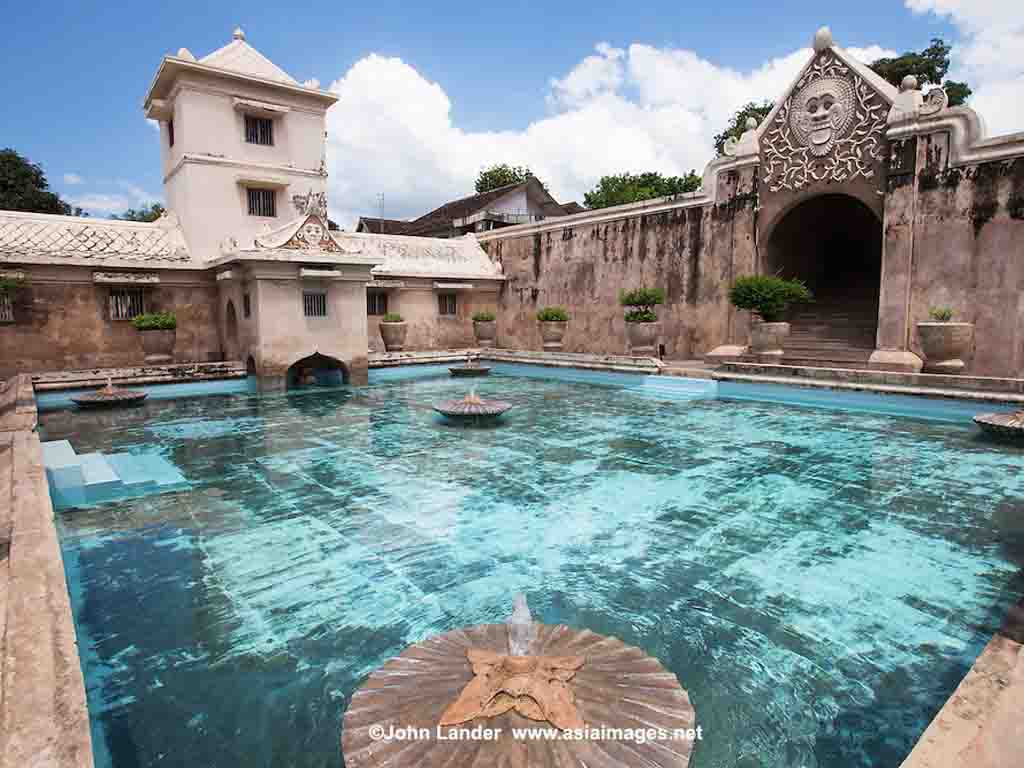
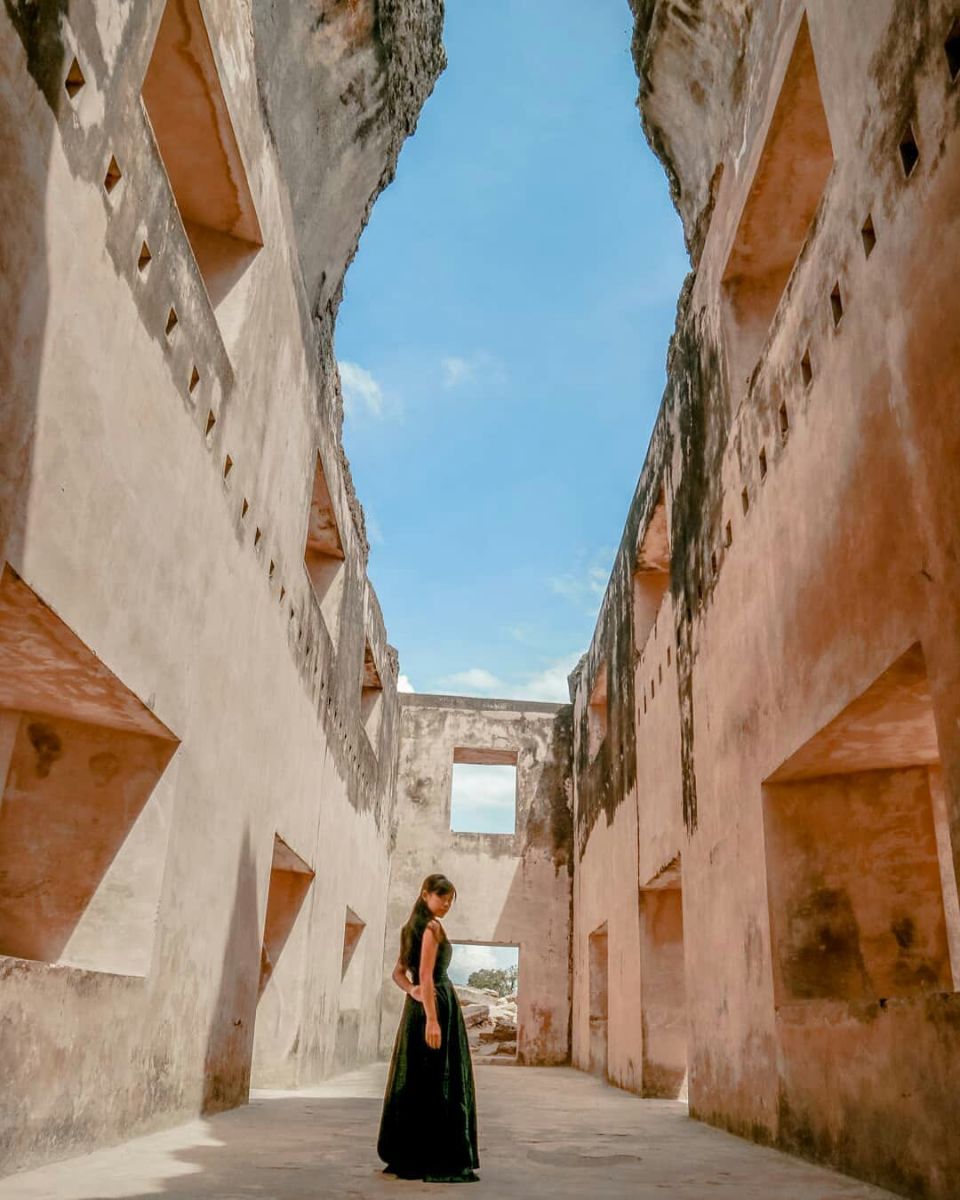
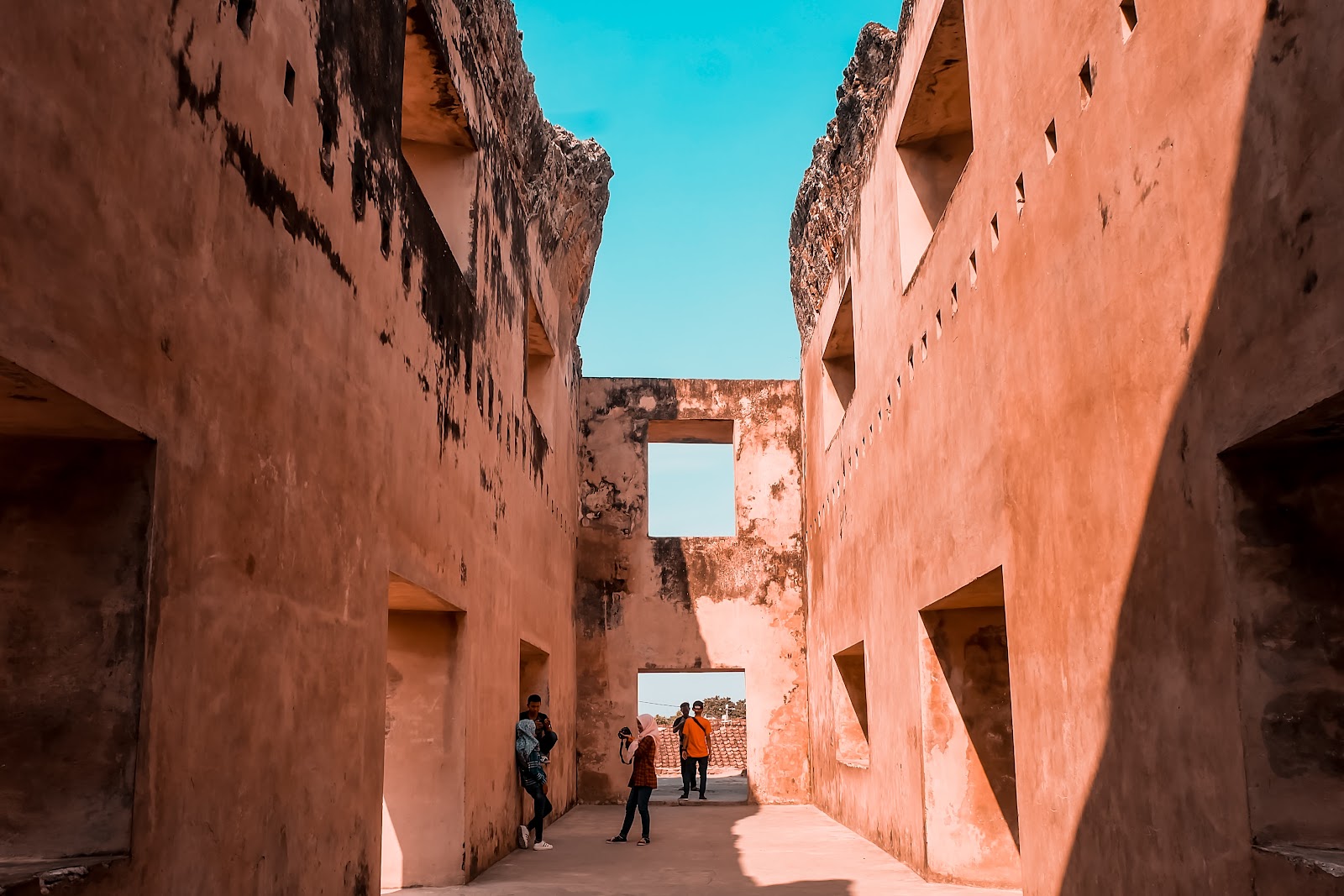
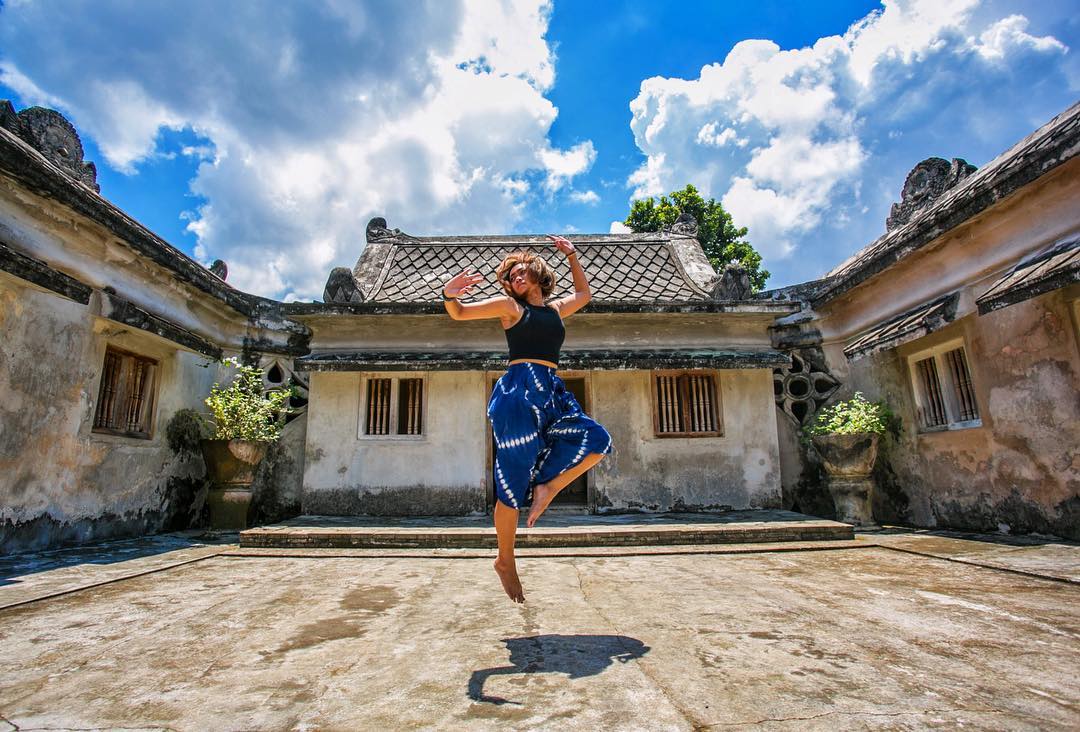
Located near the Kraton, this place was also known as the garden for the Sultan of Yogyakarta. Tamansari was originally built for multiple purposes yet now only several buildings remain. Some of its original functions were a place to rest, to meditate, to work, to hide and to defend the Sultan’s family. In this present day, some of its buildings have now become homes for local residents and only the mosque, resting and bathing space, and underground tunnels are accessible by tourists.
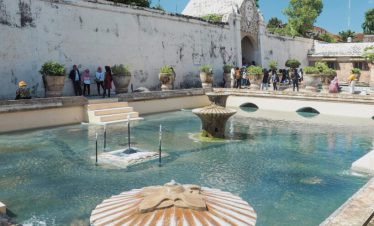
With its combination of eastern and western style building, this unique escape of the royal family has its own appeal and story. The most famous place in Tamansari is the bathing and resting place of the Sultan and his Princesses named Umbul Pasiraman. Most tourists find this place interesting as there is a unique story behind its origins.
The Sultan loves to go hunting during his free time and The Umbul Pasiraman was designed to appease the Sultan of that desire. Different from the Panggung Krapyak which was designed to hunt deer, the Umbul Pasiraman (which means a place to take a bath) was designed for the Princesses to take a bath and for the Sultan to relax and ‘hunt’ for a wife.
To catch his ‘two-legged prey’, it is said that the Sultan would throw a rose from the high tower on the south of the pool and the Princess who caught that rose will be his ‘wife’. Usually, the ones who would catch the rose would either be the Queen or his concubines. There are three different pools at Umbul Pasiraman namely Umbul Binangun, Umbul Muncar and Blumbang Kuras each a different area for the daughters of Sultan and his potential wives to bathe.
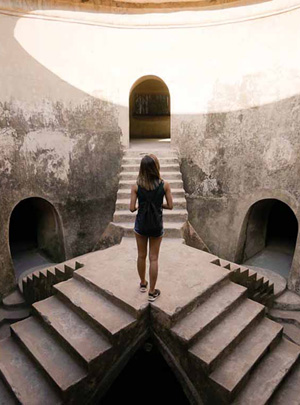
Other than the Umbul Pasiraman, visitors can also explore an underground tunnel and mosque. The tunnel was once a hideout but now is not functional as it is partially used for local residences. Unlike most mosques, the mosque on this premise is a unique circle shaped building, with Sumur Gumilang beneath which was a place for the Sultan to pray.
Tamansari is only a few blocks from Kraton and can be reached by walking about 15 minutes from there. People can also use becak to go to this place. For those who use vehicle, you can go to Jl. Taman Sari through the Pasar Ngasem area and enter the East Gate as it has bigger parking lot.
4WD Jeep Tour










Beach Tour
Body Rafting
Caving
Cultural Tour
Cycling
Light Trekking
Mountain Climbing
Paragliding
Shopping
Sightseeing
Trekking
Visiting Local Product